
EZWIN.BET PH | The Intricacies and Complexities of Jueteng: A Closer Look
EZWIN.BET PH’s Jueteng is a common form of illegal gambling in the Philippines, often linked with social and political issues. This article explores its origins, socio-economic effects, and how technological platforms like EZWIN.BET PH are influencing gambling practices.
The Intricacies and Complexities of Jueteng: A Closer Look
Jueteng is a ubiquitous form of illegal gambling found throughout the Philippines. Its setup is deceptively simple, yet its operations are deeply rooted in the socio-economic and political fabric of the country. In this discussion, we will delve into the dynamics, causes, and impacts of Jueteng within Filipino society and how platforms like EZWIN.BET PH are changing the landscape of gambling in the region.
Understanding Jueteng: Origins and Mechanics
The origin of Jueteng can be traced back to the Spanish colonial era. The game was first introduced in the 19th century and has since entrenched itself deeply into Filipino culture. The mechanics of Jueteng are straightforward: two sets of numbers, from 1 to 37, are drawn. Players bet on a number combination, and if it matches the drawn numbers, they win a small fortune.
Social and Cultural Embedment
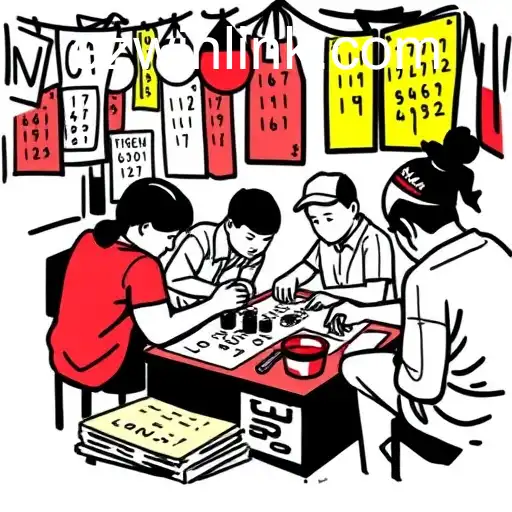
Jueteng is more than just a game of chance; it is a social activity that brings communities together. Despite being illegal, its operations are widespread because it is entrenched in the daily lives of many Filipinos. It serves as a source of hope, albeit often false, for quick financial gain, particularly for those in lower socio-economic strata.
Political and Economic Implications
The political aspect of Jueteng is one of its most controversial elements. The game is often associated with corruption, with allegations that some officials may turn a blind eye to its operations in exchange for bribes. These payoffs could potentially finance electoral campaigns, making Jueteng a tool that could influence political dynamics.
Economically, the ban on Jueteng creates a black market that is both lucrative and uncontrollable. Despite efforts to clamp down on the practice, it continues to thrive, partly due to the astronomical betting involved and the patronage from local authorities.
The Role of Technology
With advancements in technology, platforms like EZWIN.BET PH have emerged, offering alternatives to traditional forms of gambling, albeit legally. These platforms provide a digital space for betting activities, changing how Filipinos engage with games of chance and altering the gambling landscape in the Philippines.
Efforts to Combat Jueteng
Successive administrations have made various attempts to eradicate Jueteng, yet it persists. These efforts range from increased law enforcement to introducing legitimate alternatives, such as the Philippine Charity Sweepstakes Office (PCSO) games. However, the informal nature of Jueteng provides it with a resilience that is hard to combat through traditional means.
Impact on Society
The societal impact of Jueteng is multifaceted. On one hand, it creates employment opportunities, albeit of a dubious nature, in low-income areas. On the other, the profits rarely benefit the community at large, often going into the pockets of corrupt officials and operators. This dichotomy perpetuates cycles of poverty and corruption.
There is also an argument to be made about its addictive nature, where individuals might spend substantial parts of their income on futile bets, leading to financial distress and social issues.
The Future of Land-Based and Online Gambling
As digitalization continues to permeate every aspect of life, the future of gambling seems likely to shift predominantly to online platforms like EZWIN.BET PH. These platforms provide regulated, secure, and responsible gambling environments unlike the clandestine nature of Jueteng.
The government’s approach to curbing Jueteng might need to evolve in tandem with these technological advances. Emphasizing education and financial literacy could help individuals make informed decisions about gambling and its inherent risks.
Conclusion
Jueteng is an intricate tapestry woven into the cultural, social, and economic fabric of the Philippines. While it poses challenges due to its illegality and links with corruption, technological advancements offer a path forward. Platforms like EZWIN.BET PH not only provide alternatives but also opportunities for the Philippine government to harness regulated gambling to fund social welfare without succumbing to the negatives of illegal betting operations.
Understanding and addressing the deep-rooted causes of Jueteng will require a multi-faceted approach that combines technological innovation, policy reform, and community engagement.
The aim must be to create a society where gambling is a choice rather than a necessity for hope and economic survival.
